Arteconomy 2002-2020 chronology and evolution in an international context.
Moving Together emerges as a new organisation following the takeover of Arteconomy by Koen Snoeckx on 1 July 2022. ( link ) Its roots lie in Arteconomy's 20 years of experience 2002-2022.
Arteconomy develops from the experiences of a collaborative process that grew organically over many years between the metal company Constructies Espeel NV in Roeselare and visual artists. This collaboration from 1989 to 2008 is described and extensively documented in the book Walk with me, written by Charlotte Bonduel and Luc Derycke and published by Lannoo (Dutch and English versions available).
The cradle of Arteconomy is the company Constructies Espeel
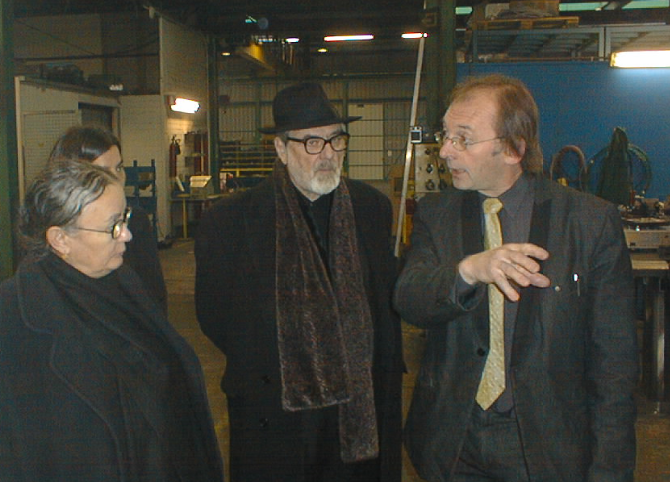
A spontaneous collaboration with artists to help realise their works of art in metal began in 1989. Michel Espeel, Julie Vandenbroucke's husband, was its CEO. During a visit by minister Luc Martens in 1996, the idea grew to organise an exhibition at CC De Spil in Roeselare with new work made by artists at Espeel. In 1998, it went ahead under the name Noodingang.
In 1999, through the artist Honoré d'O, the Espeel couple is a guest in Cittadellarte (Italy), arts centre founded by Michelangelo Pistoletto, where it participates in Fabrice Hyber's Woolways project. Still in 1999, an artistic happening goes on at the company. Under the title Heavy Metal, video art and photography are shown in the production hall. The images handle the themes of power, time, rhythm, performance and purposeful action, concepts closely linked to the economic activity.
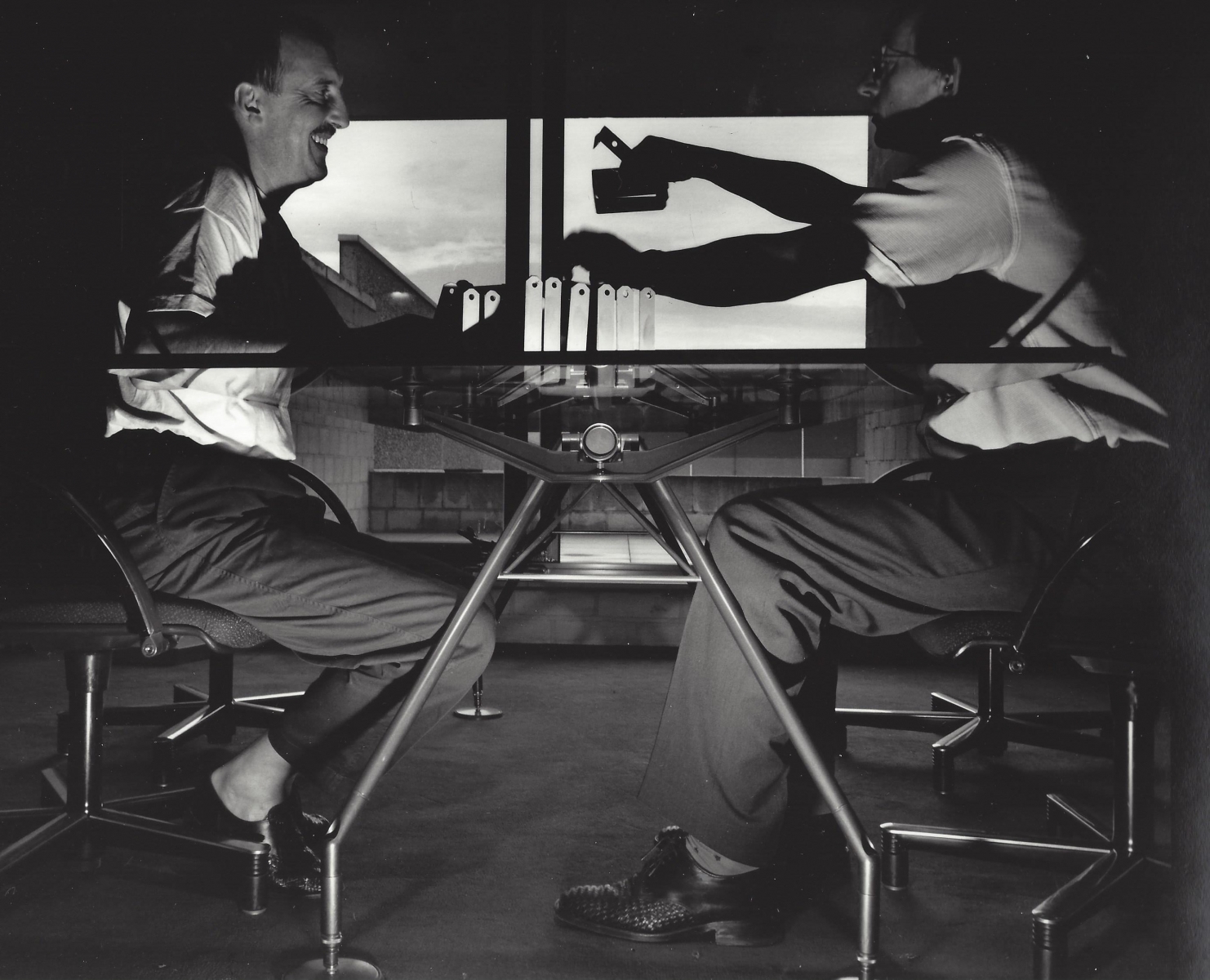
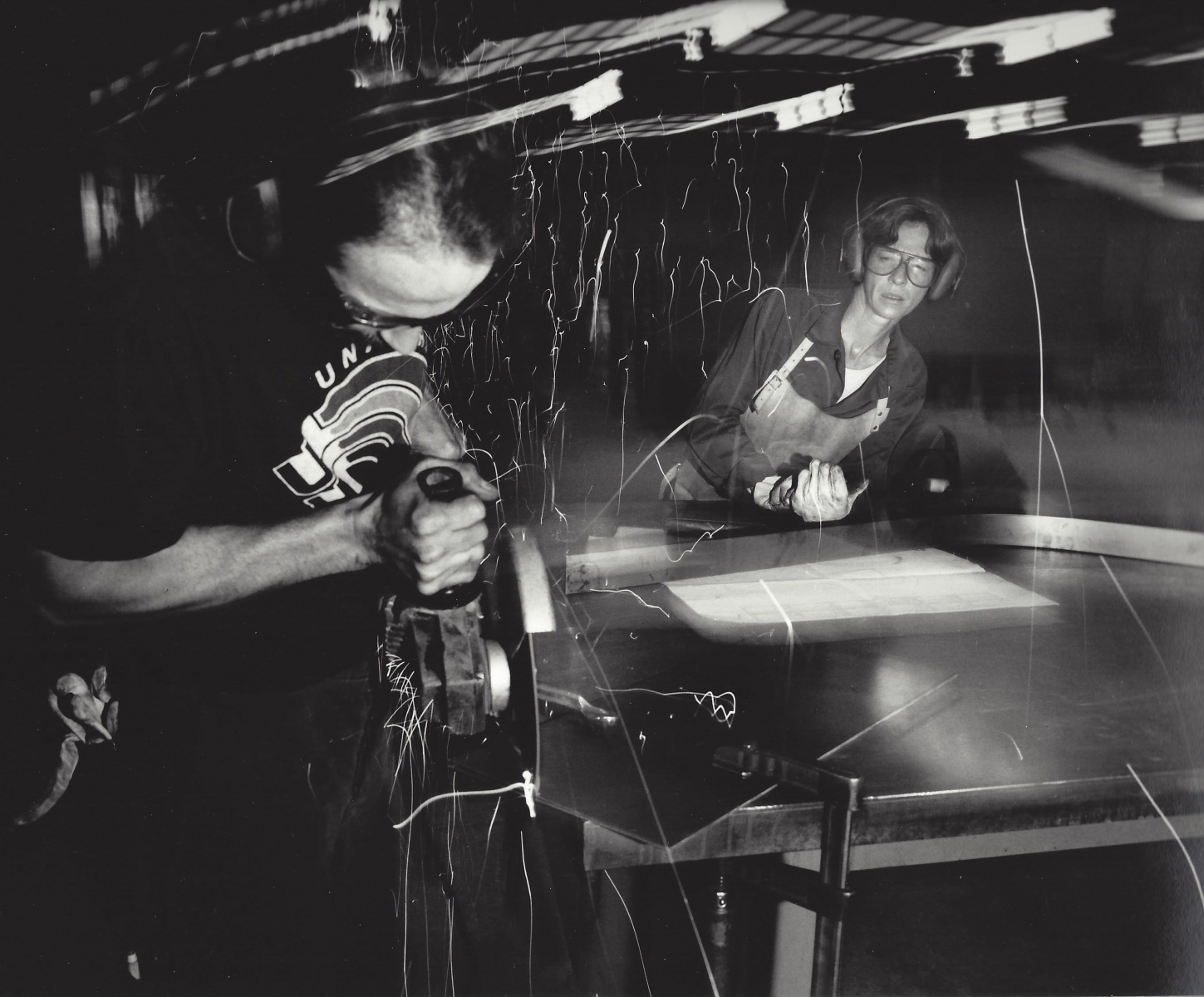
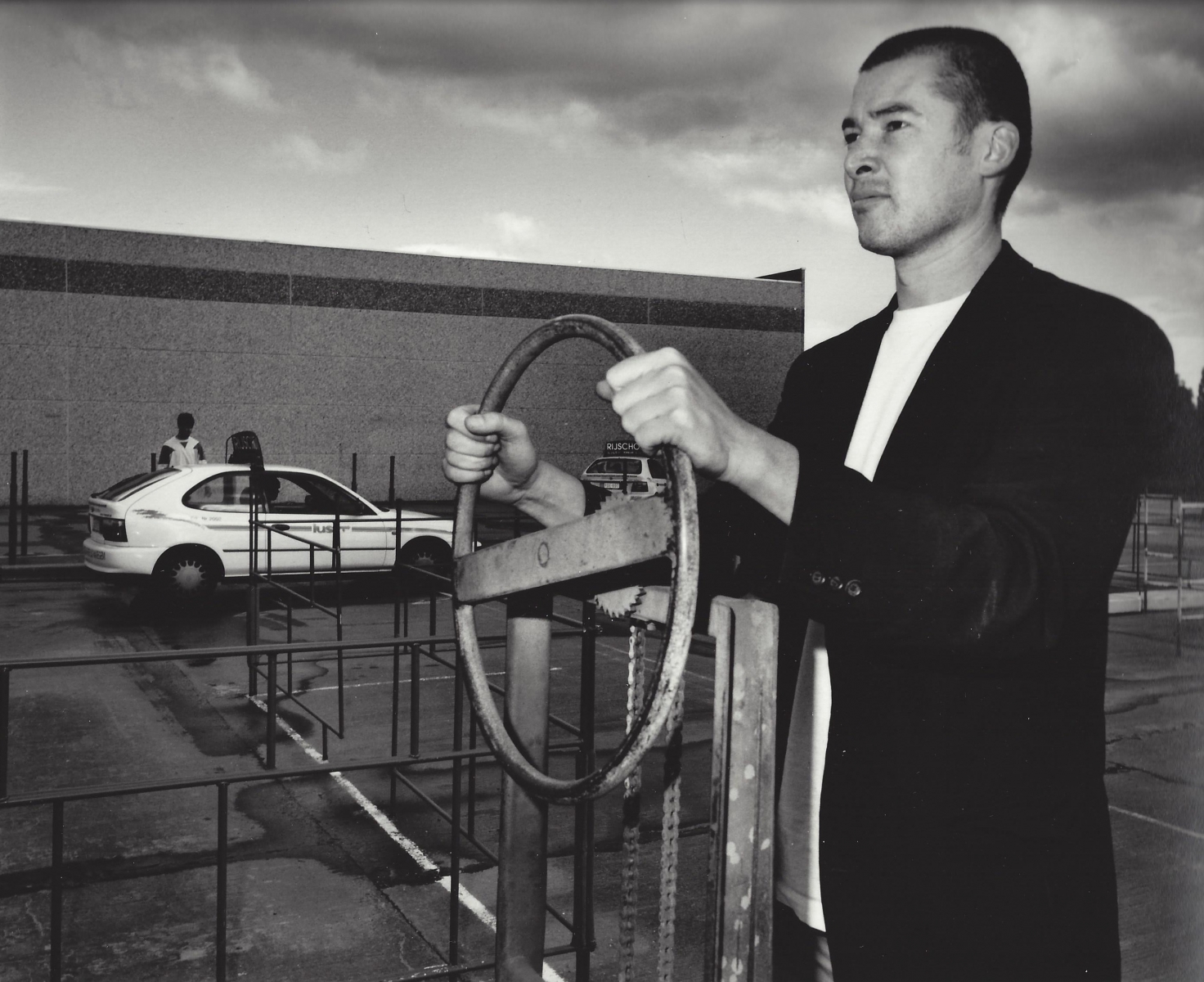
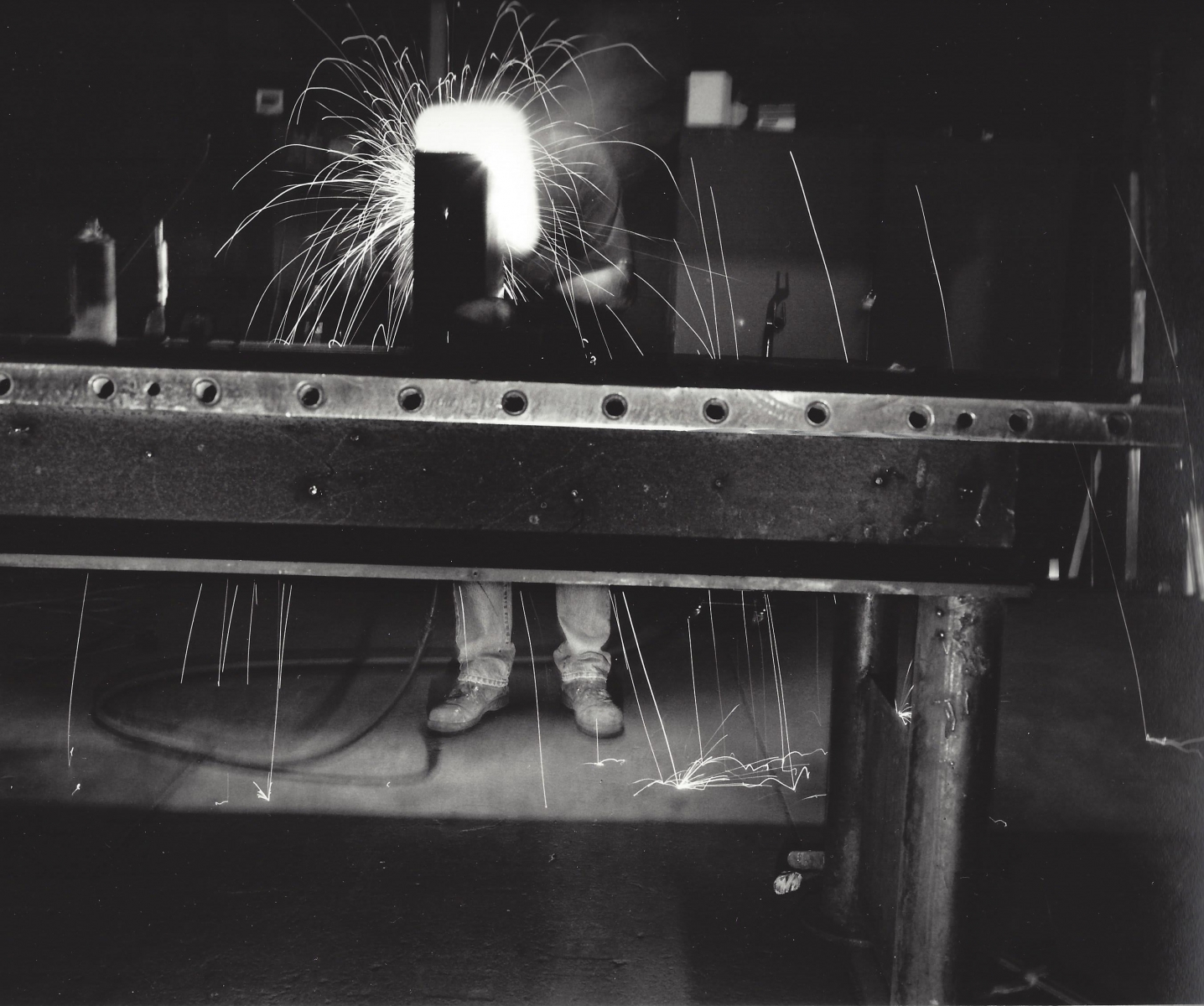
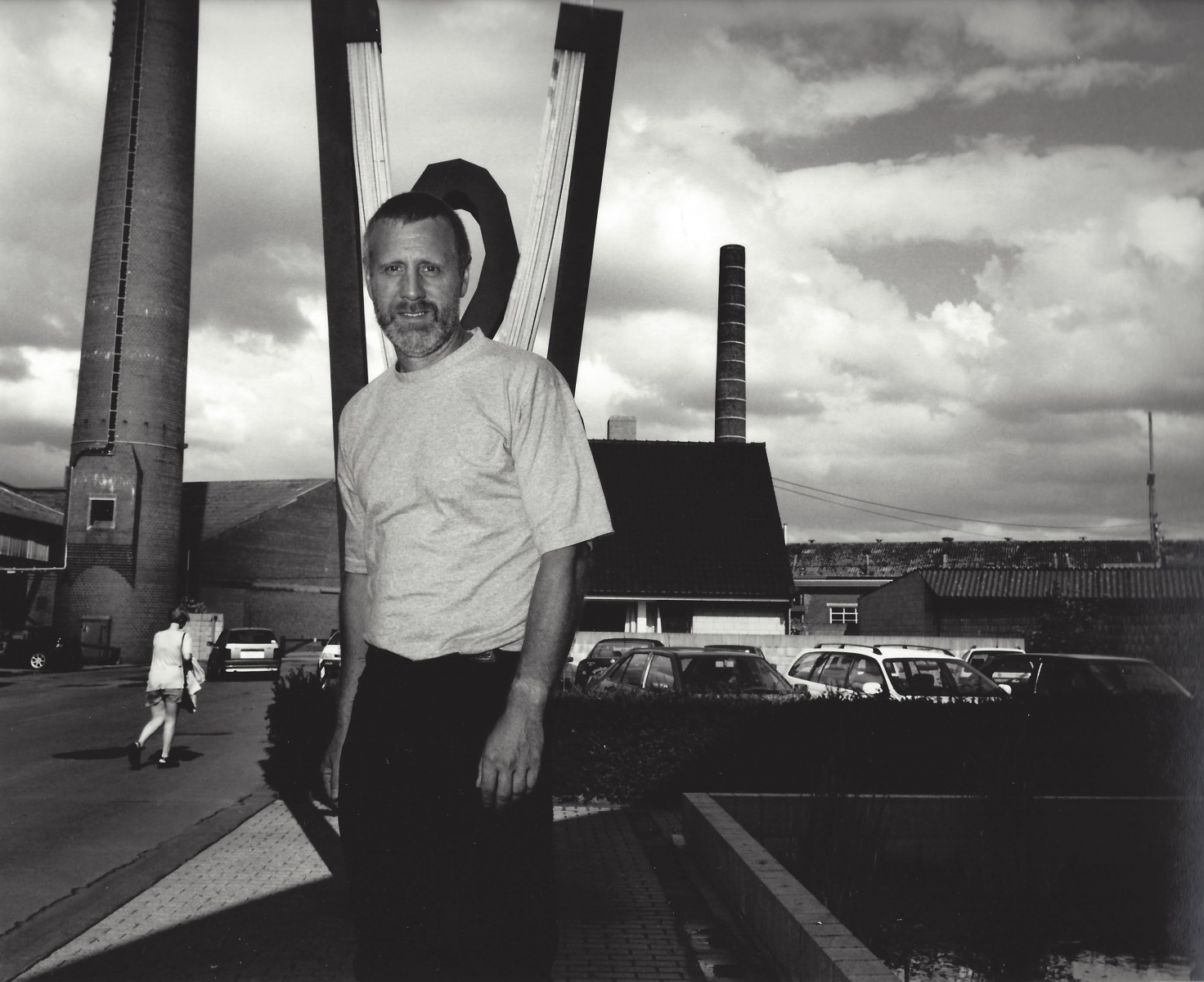
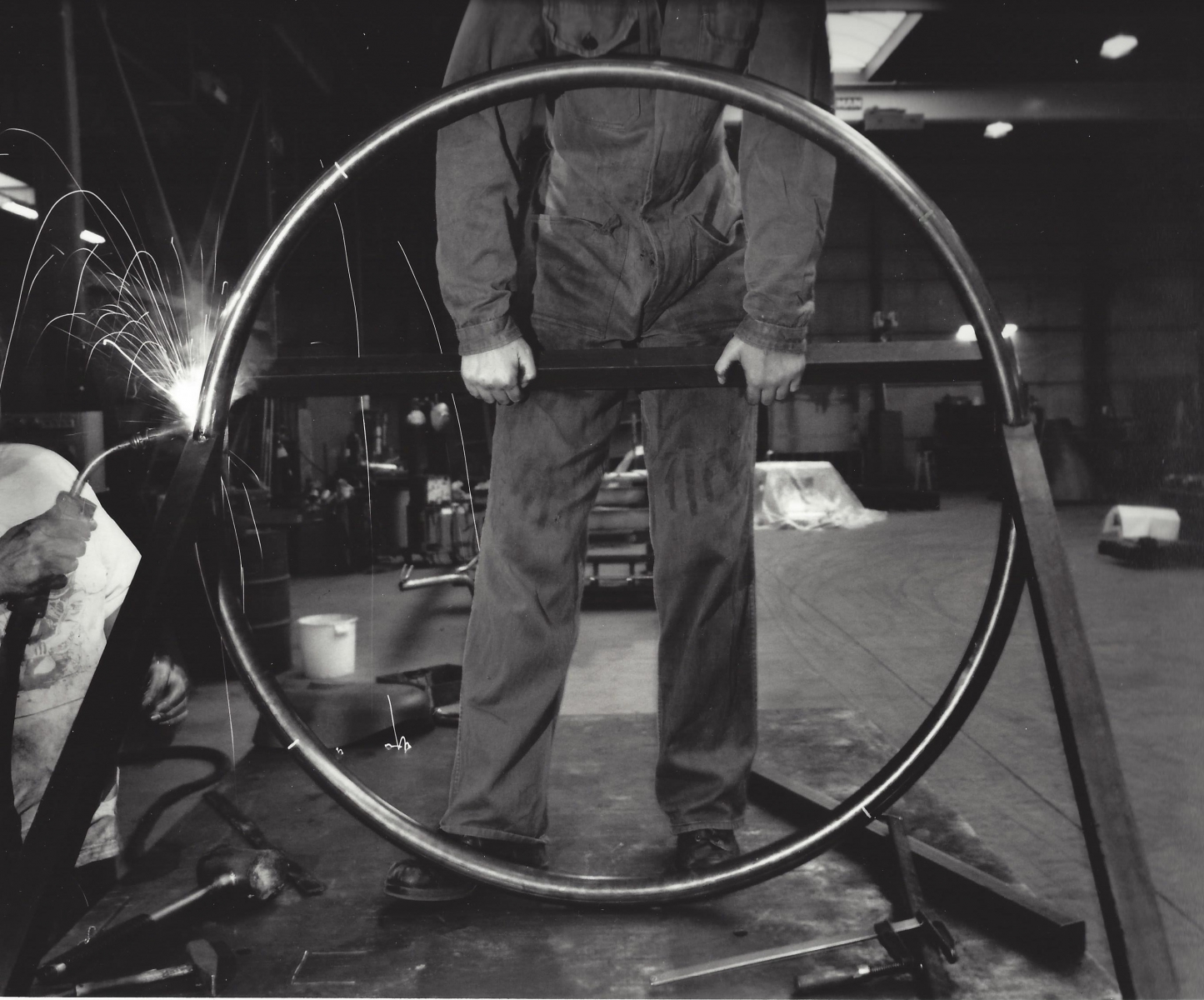
© Magnum fotograaf Carl Dekeyser
2001 is the year in which the idea of Arteconomy slowly matures
At the beginning of February 2001, Julie Vandenbroucke organises another event at the company: Touch Me. After this event, Julie feels she wants to follow a different direction. She understands that the succession of collaborations, events and outside influences works as a change process in the company. She wants to come out with this experience and see if the noticeable added value in the combination of art and economy can find public support.
The idea is still nascent and finds its first formulation in the word Arteconomy. It arises as a result of the creation of a website and a booklet with which Julie travels to the first production fair in Cittadellarte in Italy in the summer of 2001. Conversations with, among others, the artist Michelangelo Pistoletto, the founder of - and Giuliana Setari, the president of Cittadellarte, encourage Julie and she takes up her concept in 2002 under the structure of Arteconomy vzw.
The pioneering period 2002 - 2009
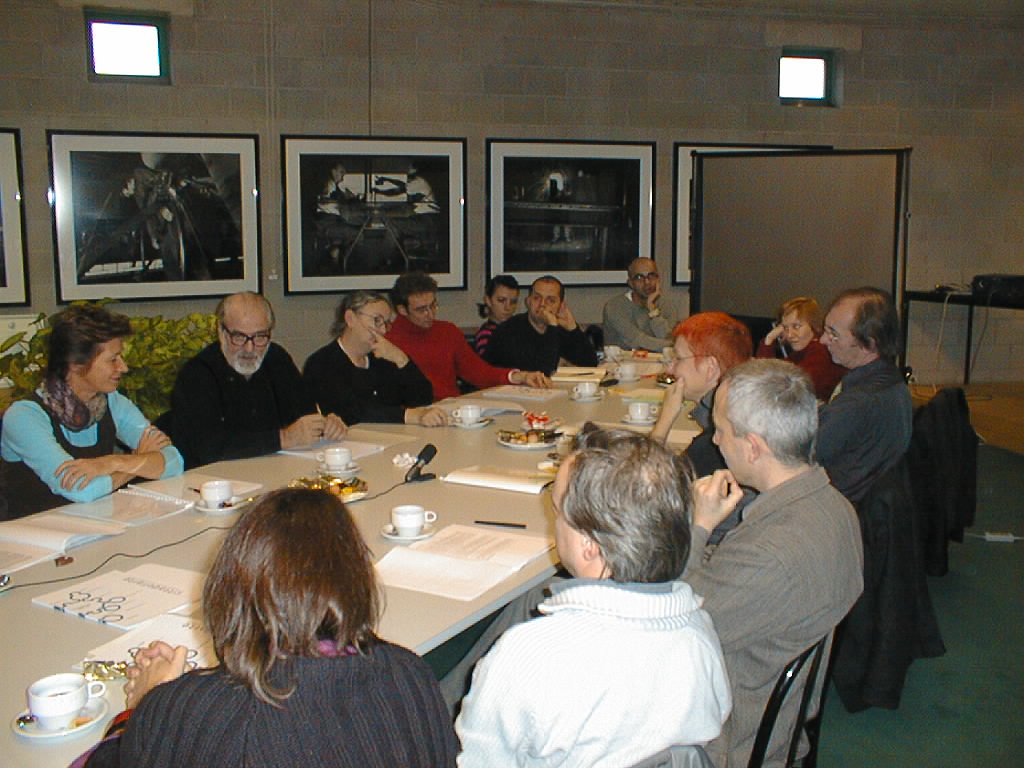
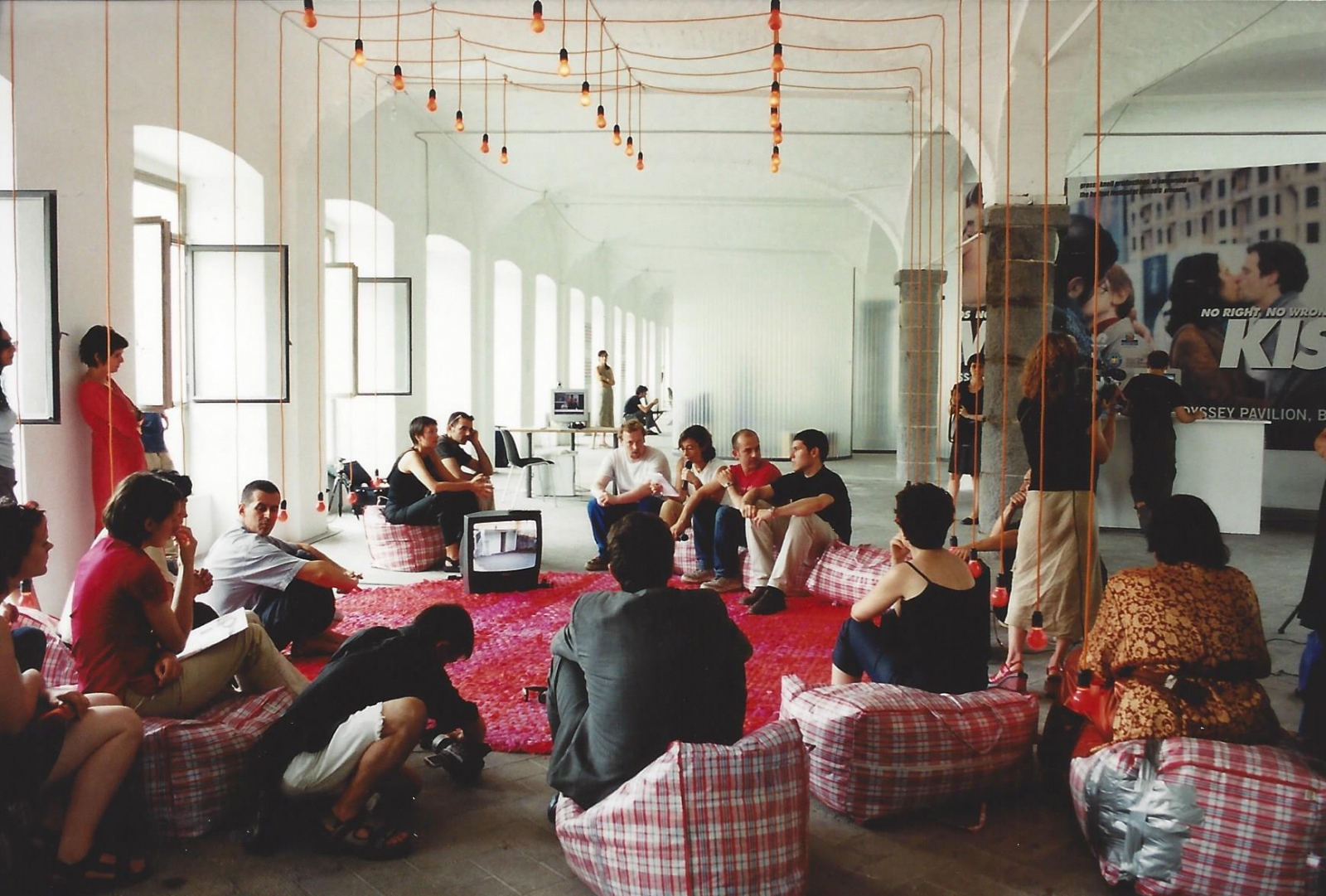
In 2004, the seminar Art and Economy: we see no difference took place, resulting in the publication of the nominated book Artists and entrepreneurs: a new relationship. After that, the entrepreneurs who participated in the seminar want to experiment and gain experience. The first projects are set up starting from the company's need. The artist tries to formulate an answer to that need and the projects receive a lot of interest from the media, the art and entrepreneurial world. The pioneering period concludes in 2009 with a publication and presentation of these projects: Arteconomy 2002-2009.
2009-2022
Arteconomy establishes itself as a partnership facilitator. The realisation of concrete projects in companies/organisations, lectures, debates, studies, international meetings and the continuous pursuit of innovative products form Arteconomy's core business.
Together with other partners, Julie Vandenbroucke successively founded the organisations POWOW the Art of meeting and At the Studio. The aim was to rent studios of creative professionals on the international market via a third market platform. For various reasons, the project could not develop further.
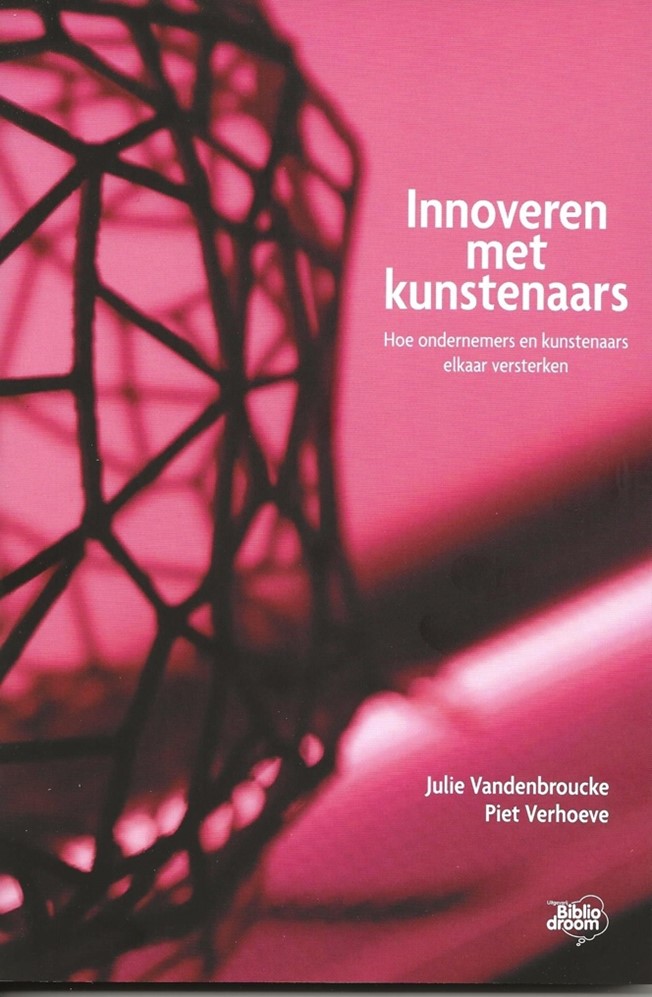
Arteconomy will continue with its projects and create a model to implement the impact of these projects in a lasting, strategic and structural way both among artists and companies. The model will be published on 1 February 2022 in the book Innovating with Artists. How entrepreneurs and artists strengthen each
Development and evolution of the international context
The dates we touch on in this brief history of Arteconomy parallel the international emergence of concepts such as creative industries and organisations inspired by them. In 1966, the Artist Placement Group (APG) was founded by Barbara Steveni and John Latham in London with the aim of integrating artists into companies. This group was a precursor to later developments.
The company Constructions Espeel starts its collaboration with artists in 1989. In 1994, the term Creative Industry first appears in the Australian report Creative Native: A Policy for Leaders or Followers. It is picked up by the Creative Industries Task Force that starts in the UK in 1997 in the Department of Culture, Media and Sport. Since then, the term has gained international acceptance partly due to the strong international profiling of UK government initiatives by then Prime Minister Tony Blair.
In 1998, Cittadellarte was founded by artist Michelangelo Pistoletto with the aim of establishing his holistic vision linking art, economics, politics, science and education. Michel Espeel participates in the opening debate.
In 2004, the book Artful Creation - Learning-Tales of Arts-In-Business by Lotte Darsø will be published. It is the first book to bring together on an international level fifty-three interviews on projects between artists and companies including Unilever UK, Volvo, Rank Xerox. Also in 2004, Richard Florida gave a lecture in Flanders on his book The Rise of the Creative Class (publication 2002) at the invitation of Minister of Economy Patricia Ceysens. Shortly afterwards, in 2005, Flanders District of Creativity was founded to 'make entrepreneurial Flanders more creative and creative Flanders more entrepreneurial'. Arteconomy was founded in 2002.
In 2022, the international cultural event Documenta 15 took place in Kassel, Germany, entitled LUMBUNG (Indonesian for communal rice storage).
The curator was Indonesian collective Ruanggruppa, which brings forward the values of commonality with a focus on process, people and participation, each the result of long-term research and collaboration. Documenta 15 therefore represents a paradigm shift in the art world, namely from the artwork created by the genius (= the genius individual artist), to the scenius (= the artist creates from the connection with the 'scene', others, society, a greater whole). Both merge in Documenta 15, which also gives the collaboration between artist and company/organisation recognition and a place in the art world internationally.